Cyclones & Air Separators

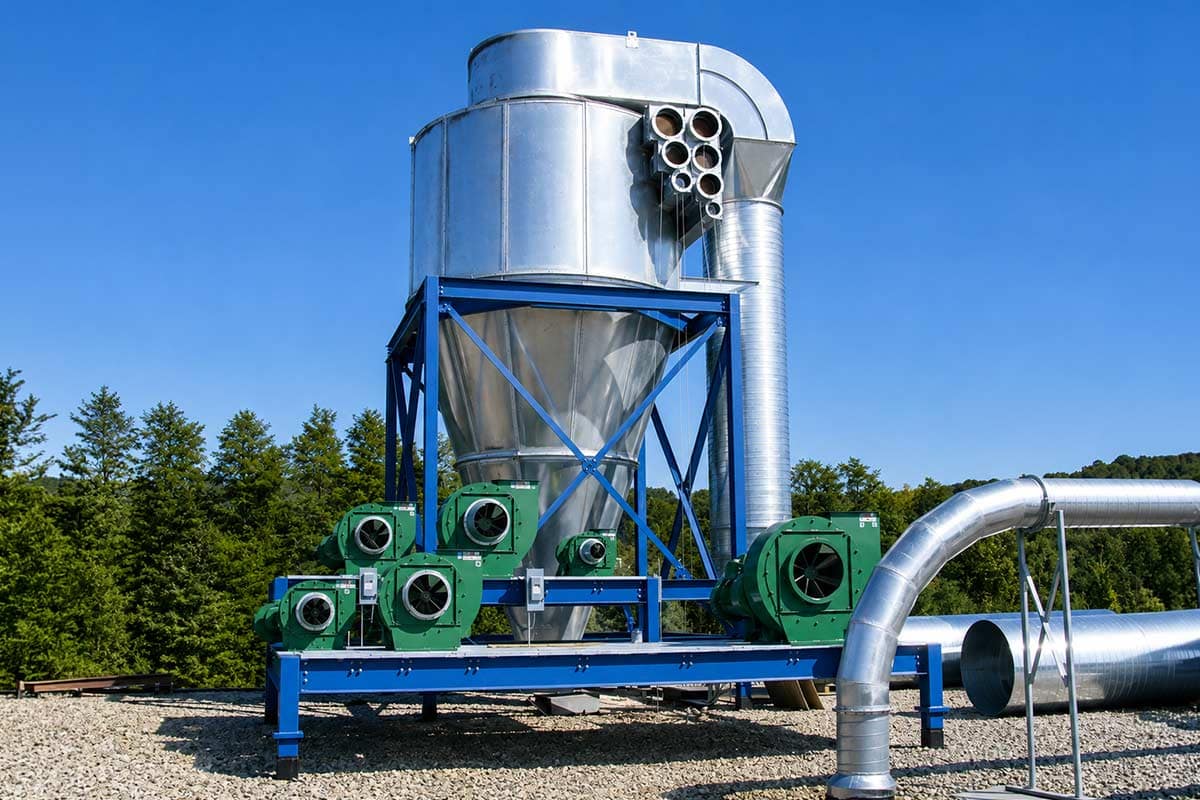
Galvanized BloApCo multi-inlet cyclone on a blue steel frame with several green fans at its base, installed outdoors in front of trees
Multi-Inlet Cyclone & Fans

A BloApCo multi-inlet cyclone with its fans mounted at the base, receiving material from several conveying lines at once.
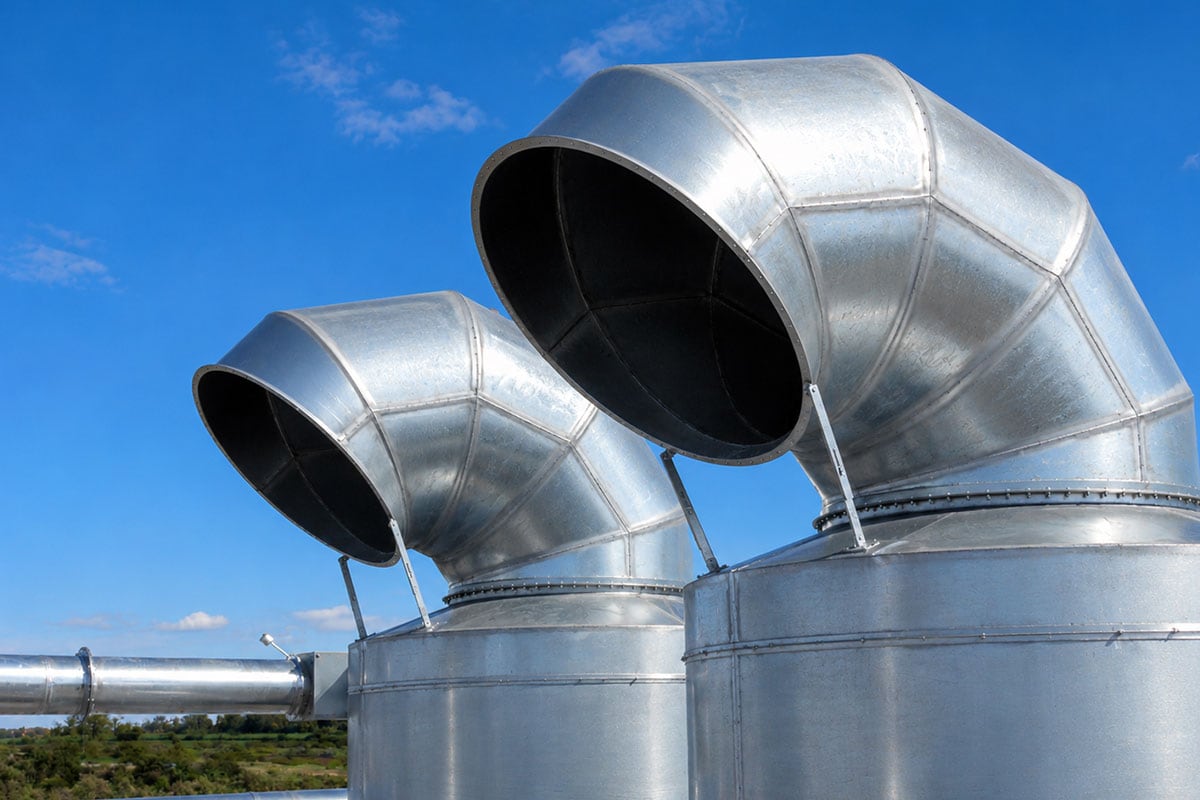
Two galvanized BloApCo cyclones with curved tube caps on their air outlets, seen from above against a blue sky
Twin Cyclones with Tube Caps

Twin BloApCo cyclones with tube caps, which direct the exhaust air and keep rain out of the outlets.
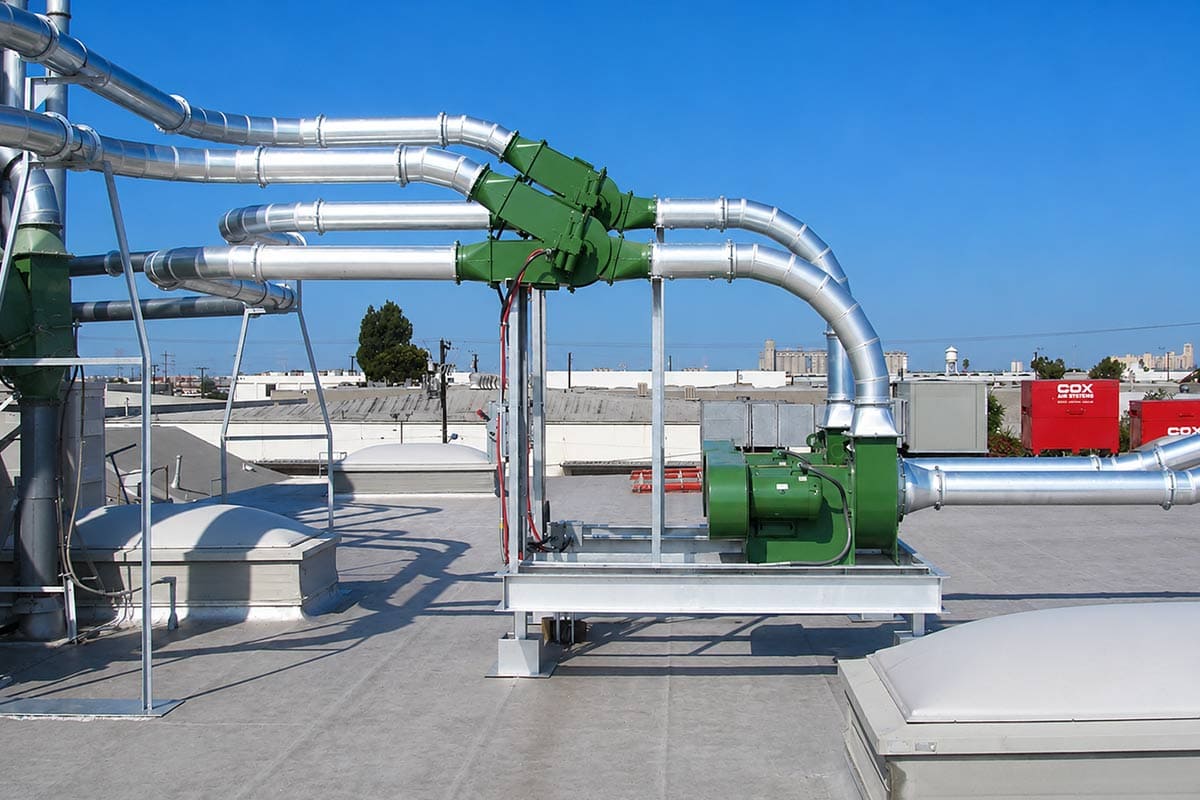
Rooftop BloApCo installation with three galvanized ducts fitted with green diverter valves and a green fan on a steel platform, under a blue sky
Triplet Cyclones with Diverters

Rooftop BloApCo ductwork with three diverter valves, which route conveyed trim to the cyclones.
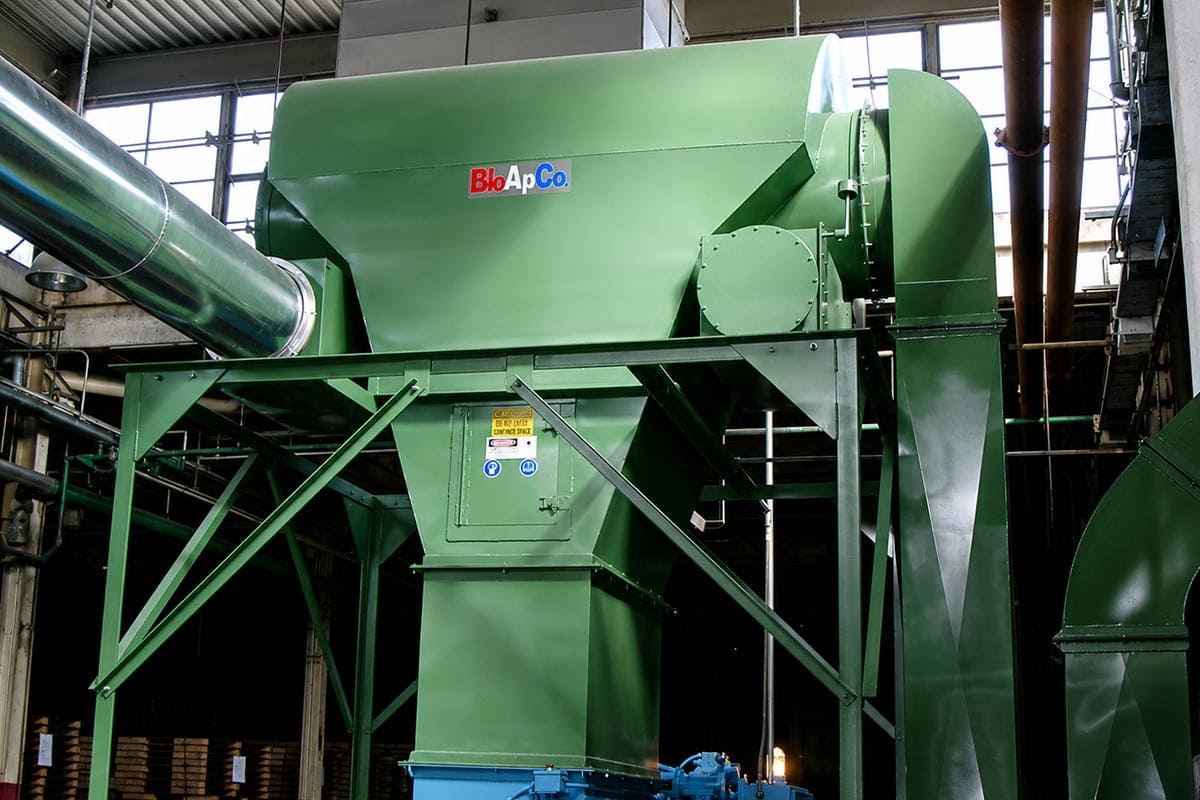
Large green BloApCo vertical separator on a steel support frame inside a plant, with a galvanized round duct entering from the left
Vertical Separator

A BloApCo vertical separator, installed indoors where a compact footprint is needed to separate conveyed material from the air stream.

Cyclones for Air Convey Waste Handling

Engineered Separation for High-Performance Waste Conveying Systems

BloApCo Cyclones provide efficient, cost-effective material separation in air-conveyed waste-handling systems. Designed for continuous industrial operation and little to no maintenance, these systems separate conveyed waste material from the air stream, allowing air to exhaust while material is discharged into balers, compactors, or other collection devices.

From size and design to fabrication and installation, BloApCo cyclones have been trusted in hundreds of air-conveyed systems worldwide.

How Cyclones Work

Cyclones use centrifugal force to efficiently separate conveyed material from the air stream. As air and material enter the cyclone, a high-speed vortex drives scrap and debris toward the outer wall, where it loses momentum and falls into the collection area below. The cleaned air then reverses direction and exits through the top outlet, allowing for continuous material separation without interrupting production.

The Science of Separation

Key Features of BloApCo Cyclones

BloApCo has investigated multiple separator technologies over decades of system development, including screen separators, deflector plate systems, APS units, “Blue Box” separators, and other horizontal separator technologies. After extensive evaluation, cyclones continue to provide the most reliable and efficient solution for industrial trim conveying systems.
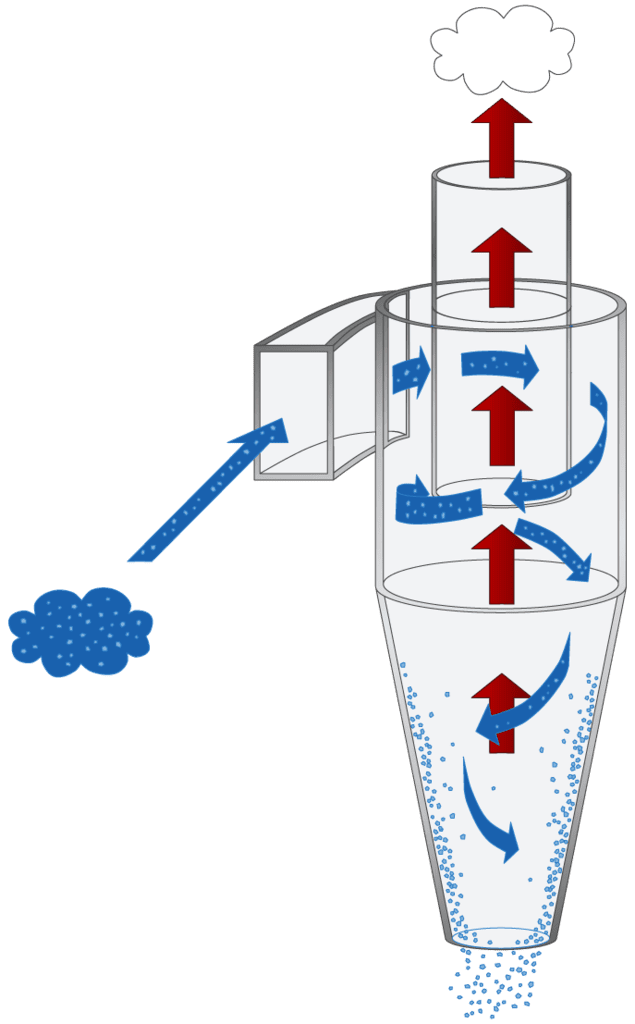
Vertical cyclones are the most common air/material separators used in industrial conveying systems. Their vertical geometry maximizes separation efficiency while allowing direct discharge into:

  • Balers
  • Compactors
  • Hoppers
  • Gaylords
  • Collection containers

BloApCo vertical cyclones are available in multiple diameters and airflow capacities to support systems ranging from small trim applications to large-scale central recycling systems. Features include:

  • High-efficiency airflow design
  • Heavy-duty industrial construction
  • One-piece or segmented fabrication
  • Smooth internal transitions
  • Large-diameter inlet configurations
  • Optional access doors
  • Optional backdraft dampers
  • Indoor or outdoor installation

When ceiling height or roof penetration limitations exist, BloApCo can provide specially designed horizontal cyclones and indoor separators.

These systems maintain high separation efficiency while reducing overall installation height and minimizing structural support requirements. Benefits include:

  • Reduced installation height
  • Indoor installation capability
  • Simplified duct routing
  • Lower structural costs
  • Improved accessibility for maintenance

For extremely long conveying distances or systems operating near capacity, BloApCo relay cyclones help improve conveying efficiency by reducing conveying air volume while concentrating material flow. These intermediate separators:

  • Reduce air-to-material ratio
  • Improve long-distance conveying performance
  • Increase throughput capacity
  • Help expand existing systems
  • Improve airflow stability

Relay cyclones are commonly used in:

  • Large corrugated facilities
  • Centralized trim collection systems
  • Multi-machine installations
  • Long-distance pneumatic conveying systems

BloApCo Cyclones can discharge material into a wide variety of downstream collection devices depending on application requirements. Available collection solutions include:

  • Balers
  • Compactors
  • Trim bags
  • Hoppers
  • Relay systems
  • Rotary air locks
  • Discharge horns
  • Diverter valve systems

Cyclone diverter valves can also redirect material flow into backup storage areas when downstream equipment is offline, helping prevent costly production downtime.

Solid Tube with Perforated Cone
Promotes efficient airflow and material separation while minimizing air loss.

Support Ring and Access Door
Provides structural reinforcement and simplified maintenance access.

Inlet Box Backdraft Dampers
Helps prevent reverse airflow and improves conveying system stability.

One-Piece Construction
Designed for durability, airflow efficiency, and simplified installation.

Modular and Large-Diameter Options
Available in multiple sizes and configurations to meet various throughput requirements.

Separator with Dust Filter
Ideal for indoor applications requiring additional air filtration.

Horizontal Tube Separator
Designed for low-headroom installations while maintaining high separation efficiency.

Trim Bags
Simple collection method for lightweight trim and low-volume waste streams.

Relay Cyclone and Hopper
Transfers material efficiently into downstream collection equipment.

Discharge Horn
Directs material flow into balers, compactors, or other disposal devices.

Not Sure Which Cyclone Configuration Is Right for Your System?

Our team can help identify the right cyclone design, capacity, and configuration for your material handling requirements.

Used Globally, Trusted Thoroughly

Serving Industrial Markets Worldwide

BloApCo Cyclones are commonly used in corrugated plants, printing facilities, converting operations, distribution centers, recycling systems, and industrial manufacturing environments handling trim, matrix, dust, paper, plastic, and lightweight scrap materials.
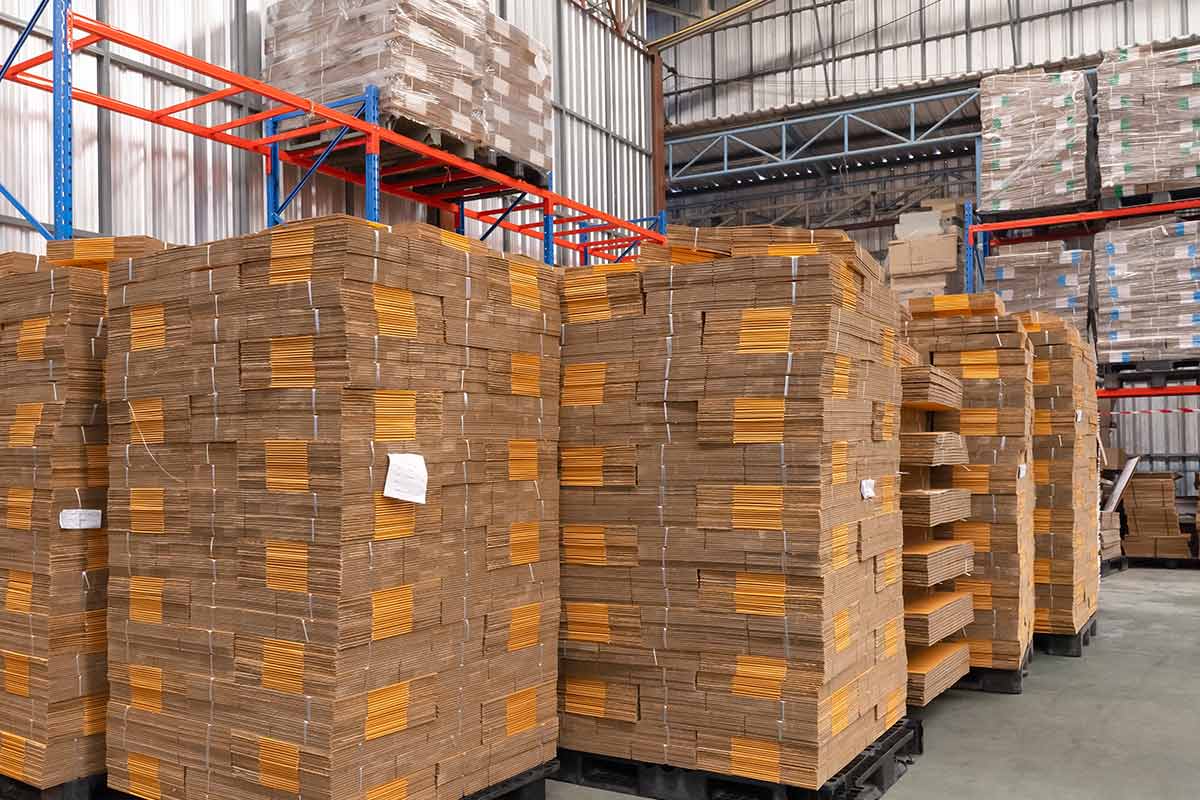
Pallets of flat-packed corrugated boxes stacked in a warehouse, representing corrugated and paperboard plants served by BloApCo cyclones

Corrugated & Paperboard

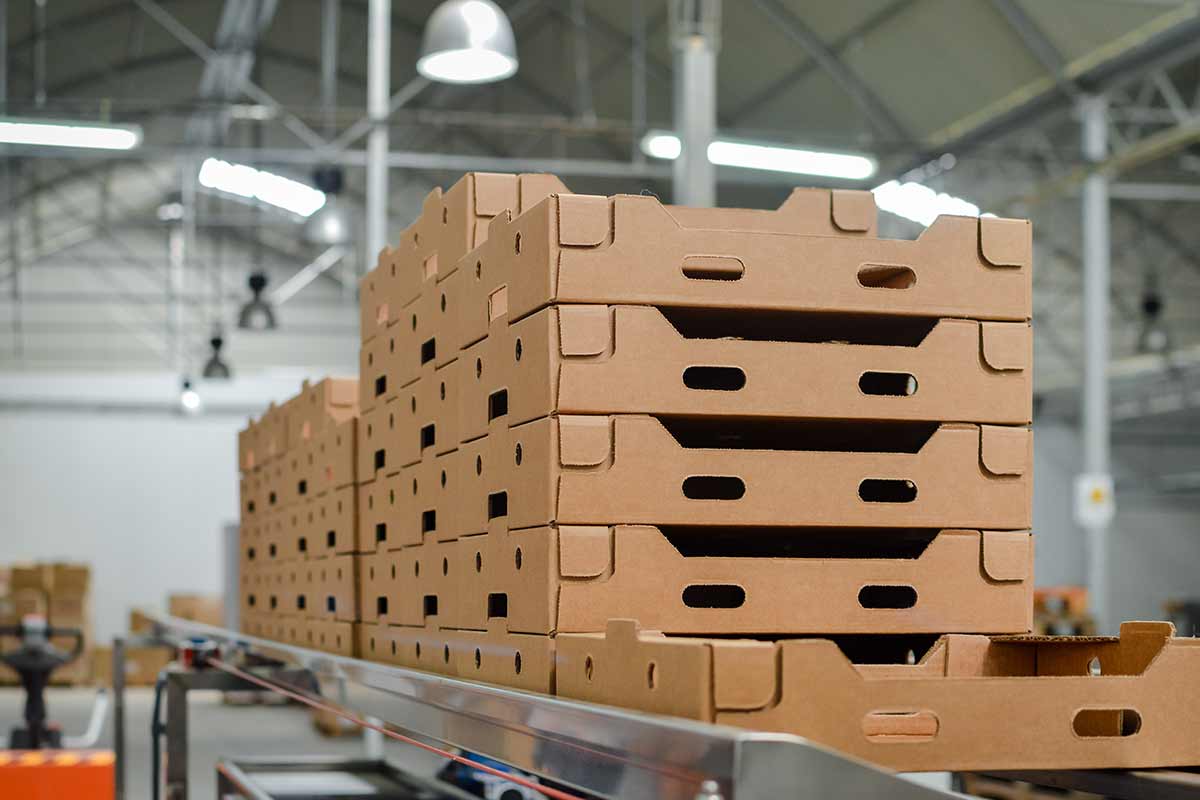
Stacks of die-cut cardboard trays on a conveyor in a carton plant, representing folding carton manufacturing served by BloApCo cyclones

Folding Carton Manufacturing

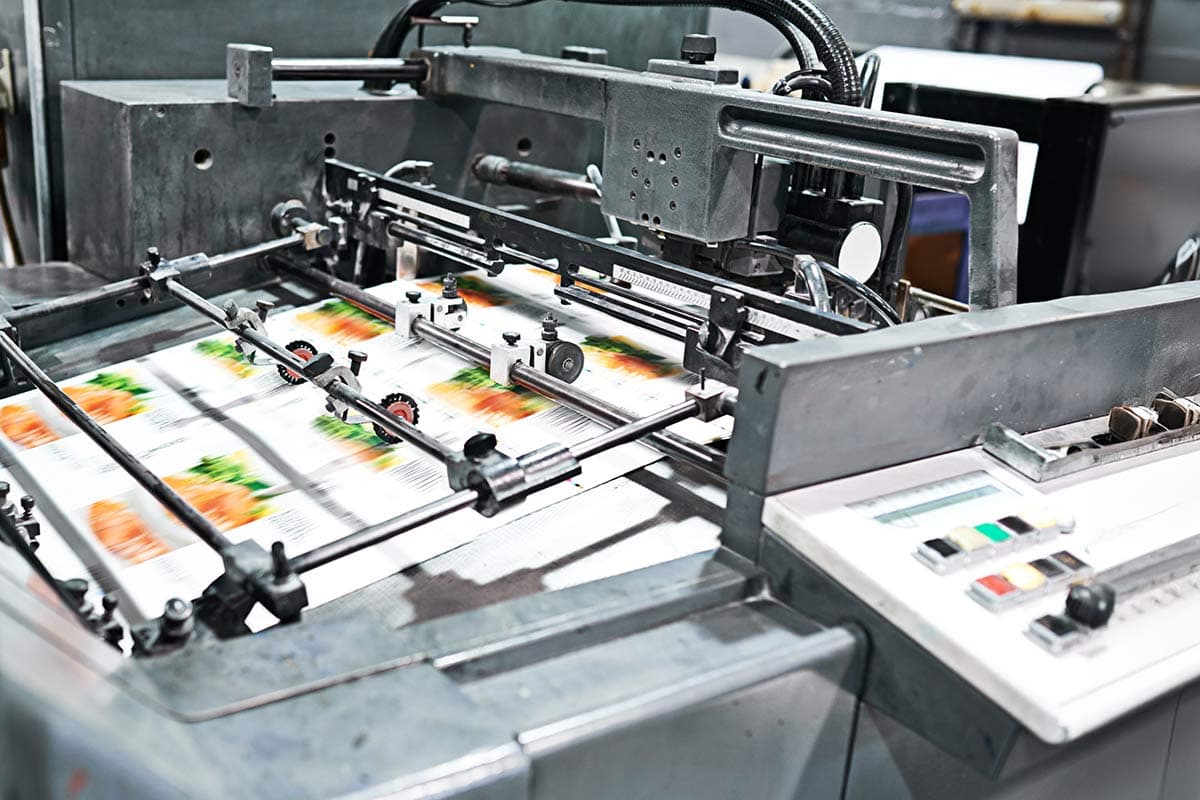
Printed sheets moving through the delivery section of a printing press, representing printing and converting operations served by BloApCo cyclones

Printing & Converting

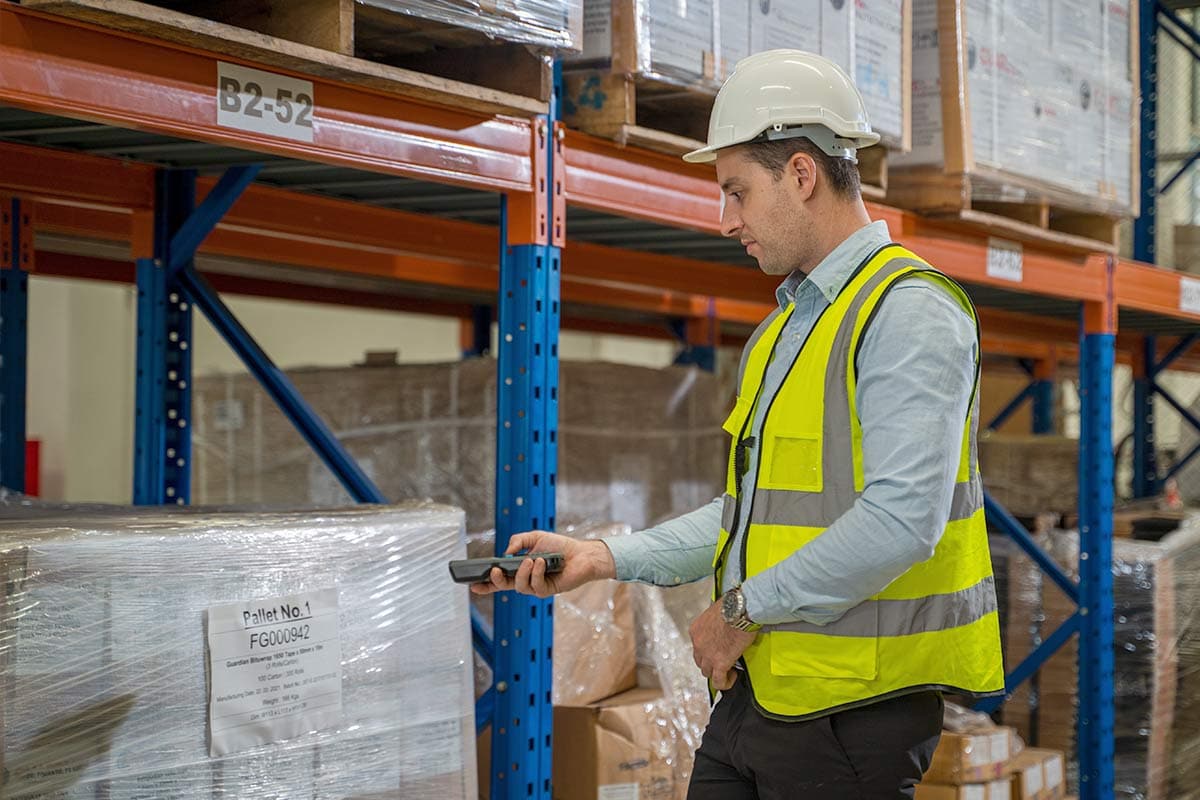
Worker in a hard hat and high-visibility vest scanning a wrapped pallet in a packaging warehouse, representing label and packaging operations served by BloApCo cyclones

Label & Packaging Operations

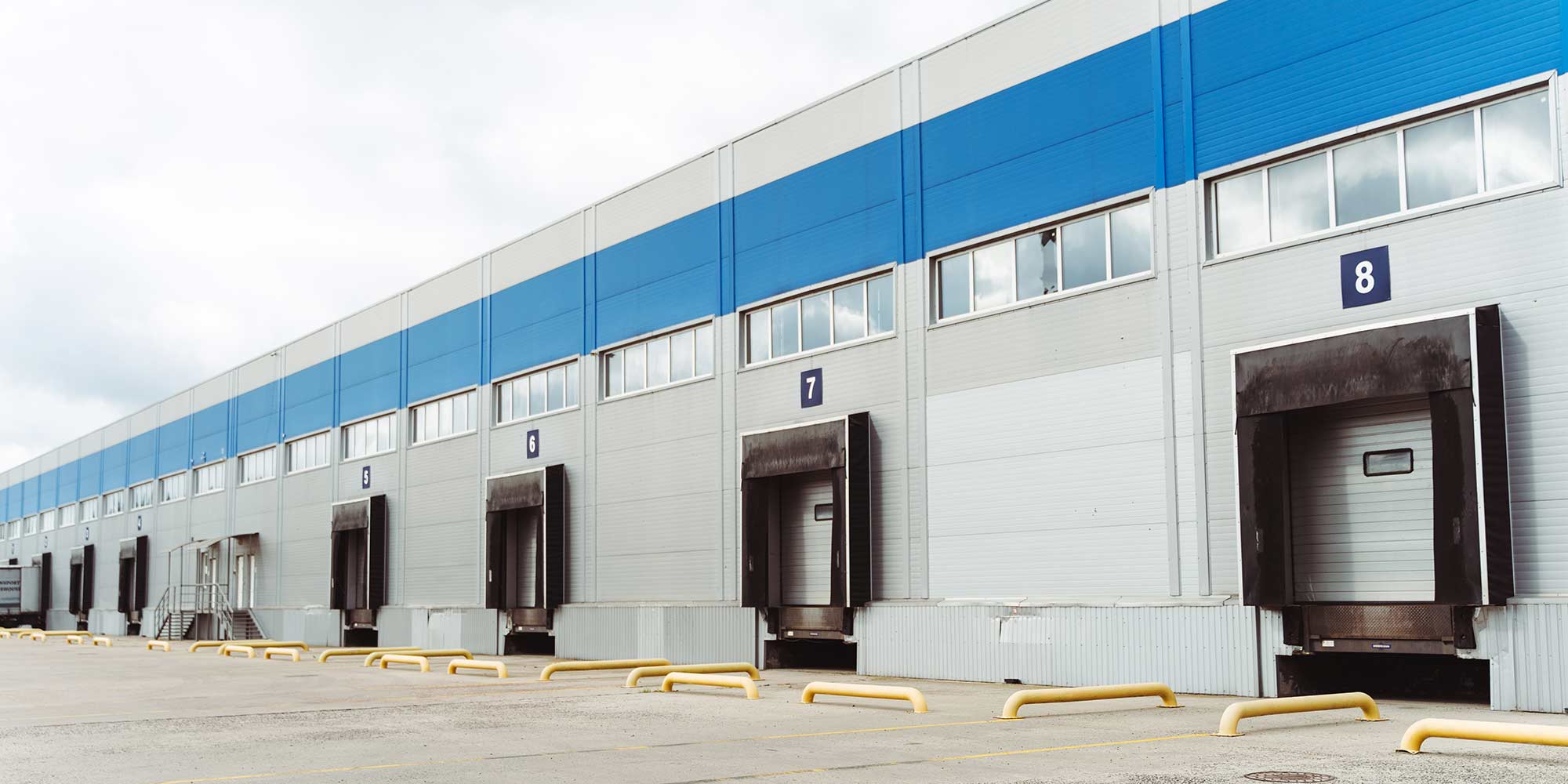
Exterior of a distribution center with a long row of numbered loading dock doors, representing scrap handling for distribution centers and warehouses by BloApCo

Distribution Centers

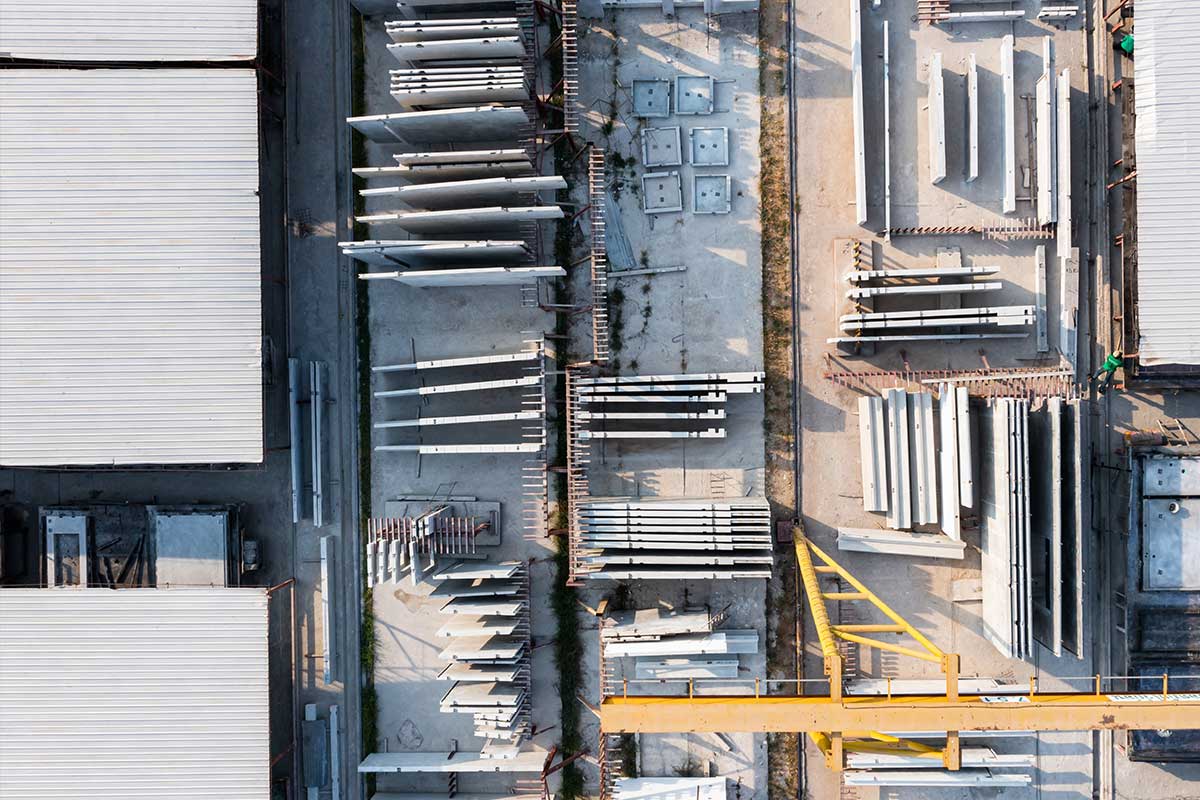
Aerial view of an industrial manufacturing yard with rows of stacked products, factory roofs, and a yellow gantry crane, an application for BloApCo cyclones

Industrial Manufacturing

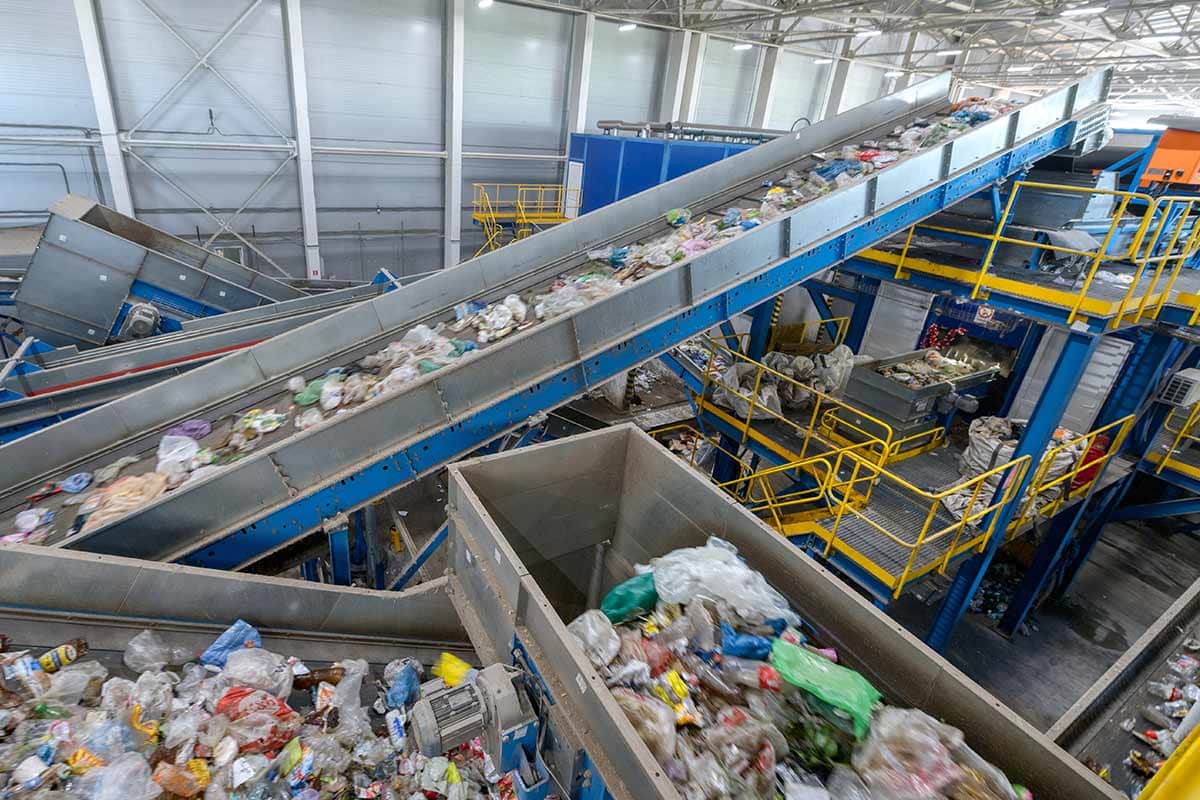
Inclined conveyors carrying mixed recyclables through a material recovery facility, an application for BloApCo cyclones

Recycling Facilities

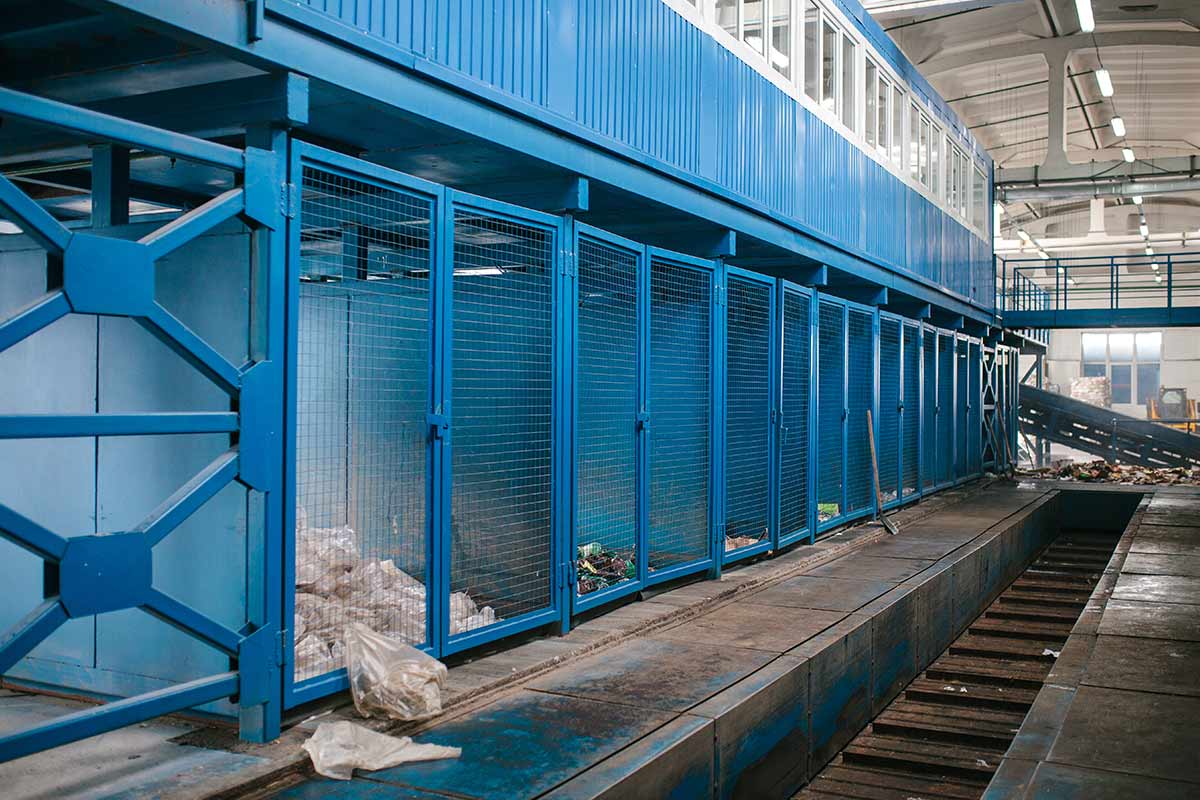
Blue steel waste-processing hall with caged sorting bays beside a floor conveyor pit, representing waste-to-energy systems served by BloApCo cyclones

Waste-to-Energy Systems

Built for Industrial Reliability

Every BloApCo cyclone is engineered for the realities of industrial production environments—continuous operation, abrasive materials, fluctuating airflow conditions, and demanding throughput requirements.

The result is a rugged, proven separation system designed to maximize uptime, airflow efficiency, and operational reliability.